Buy Human Chorionic Gonadotropin (HCG) Online – Best HCG for Sale
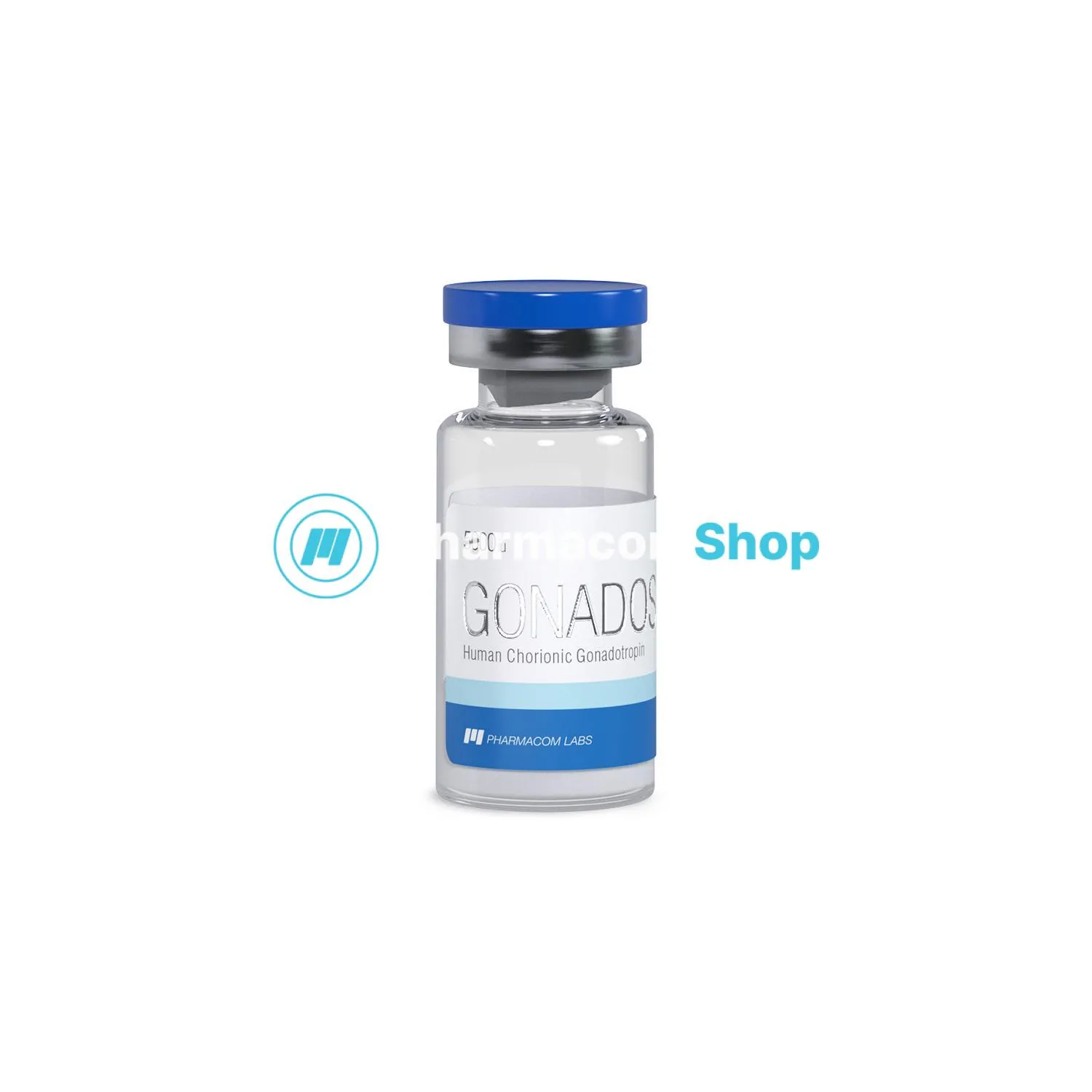
Human Chorionic Gonadotropin (HCG) is a glycoprotein gonadotropin that mimics luteinizing hormone to stimulate endogenous testosterone production in the testes. Our HCG range covers the most common dosing needs - from 1000 IU maintenance vials to 10,000 IU trigger-strength ampoules. Every vial ships sealed in a cold-pack with a temperature indicator, delivered to your door in 2–6 business days. No dropshipping, no third-party handlers.
What is Human Chorionic Gonadotropin (HCG)?
HCG is a heterodimeric glycoprotein hormone composed of two subunits:
α-subunit (92 amino acids) - structurally identical to the α-subunits of LH, FSH and TSH.
β-subunit (145 amino acids) - unique to HCG; confers its longer half-life (~23–34 hours vs. ~20 minutes for endogenous LH).
In nature, HCG is secreted by the syncytiotrophoblast of the placenta shortly after implantation. Its primary physiological role is to rescue the corpus luteum from its programmed involution, thereby sustaining progesterone production during early pregnancy.
Clinically and in sports, the same receptor-binding mechanism is exploited to keep Leydig cells in the testes actively producing testosterone, even when the hypothalamic-pituitary axis is suppressed by exogenous androgens.
History of Human Chorionic Gonadotropin (HCG)
1934: A.S. Zondek and H. Aschheim first isolated HCG from pregnant women's urine.
1940s: HCG began being used to treat cryptorchidism in boys and to induce ovulation in women.
1950s–60s: Recombinant and highly purified urinary HCG formulations entered the market (Pregnyl, Menopur, Gonadotropin).
1970s: The LH-receptor binding mechanism of HCG was fully characterized.
1990s–2000s: HCG became widely adopted in assisted-reproduction protocols (IVF trigger shots).
2000s–present: Off-label use in bodybuilding and PCT protocols became common; WADA added HCG to its prohibited list for in-competition and out-of-competition use.
Benefits of Human Chorionic Gonadotropin (HCG)
For Men (Bodybuilding / PCT Context)
- Prevents testicular atrophy during anabolic-steroid cycles
- Maintains baseline testosterone production under exogenous suppression
- Accelerates post-cycle hormonal recovery by re-priming Leydig cell sensitivity
- Preserves libido, mood and energy during the transition off a cycle
- Supports spermatogenesis indirectly by maintaining intratesticular testosterone levels
For Women (Clinical / Fertility Context)
- Triggers final oocyte maturation and ovulation in IVF, IUI and ovulation-induction protocols
- Creates a predictable ovulation window in anovulatory cycles (PCOS, hypothalamic amenorrhea)
- Supports the luteal phase by maintaining corpus luteum progesterone output
- Serves as a tumor marker for gestational trophoblastic disease and germ-cell neoplasms
How Does Human Chorionic Gonadotropin (HCG) Work?
Molecular Mechanism
HCG binds the LH/CG receptor (LHCGR) on the surface of Leydig cells (testes) or granulosa cells (ovaries). This activates a Gs-protein → adenylyl cyclase → cAMP → PKA signaling cascade, ultimately upregulating:
- Steroidogenic enzymes (StAR protein, 3β-HSD, 17β-HSD)
- Testosterone synthesis in males
- Progesterone and estrogen output in females
Why the Long Half-Life Matters
Because HCG circulates for 23–34 hours (vs. ~20 min for LH), a single injection provides sustained receptor occupancy for over a day. This is why twice-weekly dosing is sufficient in most protocols, whereas endogenous LH requires continuous pulsatile secretion.
Aromatization Consideration
The testosterone produced under HCG stimulation is subject to normal aromatization to estradiol. At higher doses (>1,000 IU), estrogenic side effects (gynecomastia, water retention) can occur. Monitoring serum estradiol and if needed, co-administering an aromatase inhibitor is standard practice.
What Is the Difference Between HCG and HMG?
| Feature | HCG | HMG (Human Menopausal Gonadotropin) |
| Composition | Pure hCG (α + β subunits) | Mixture of FSH + LH (± small hCG fraction) |
| Primary target | LH receptor (Leydig / granulosa) | FSH receptor (follicle growth) + LH receptor |
| Main use (men) | Maintain testosterone; PCT | Rarely used in males |
| Main use (women) | Ovulation trigger; luteal support | Follicle recruitment and growth (IVF stimulation) |
| Dosing frequency | 2–3×/week | Daily during stimulation phase |
| Half-life | ~23–34 h | ~24 h (FSH fraction) |
In short: HMG grows the follicle; HCG fires the final signal. In IVF, they are used sequentially, not as substitutes.
How to Use HCG – Dosages and Cycle Recommendations
On-Cycle (During a Steroid Cycle)
| Parameter | Recommendation |
| Dose | 500 IU per injection |
| Frequency | 2×/week (e.g., Mon / Thu) |
| Duration | Throughout the entire cycle |
| Goal | Prevent atrophy, maintain ~15–25 % of baseline testosterone |
Post-Cycle Therapy (PCT)
| Phase | Dose | Frequency | Duration |
| Week 1–2 | 1,000–1,500 IU | 2–3×/week | 14 days |
| Week 3–4 | 500–750 IU | 2×/week | 14 days (taper) |
| Transition | Begin SERM (tamoxifen 40 mg or clomiphene 50 mg) | Daily | 4 weeks |
Note: Some protocols skip the taper and run a flat 1,000 IU 2×/week for 4 weeks, then switch directly to a SERM. Adjust based on individual bloodwork.
Fertility / Ovulation Trigger (Women)
Single bolus of 5,000–10,000 IU IM or SC when a dominant follicle reaches 18–20 mm on ultrasound.
Ovulation occurs ~36 hours post-injection; retrieval or timed intercourse is scheduled accordingly.
HCG in Sports – Why Athletes Use It
HCG is listed under S2 (Hormonal and Metabolic Modulators) by WADA and is prohibited in-competition and out-of-competition for all registered athletes.
In competitive sports, its use is limited to:
Medical exemption (TUE): Athletes with documented hypogonadism may receive a Therapeutic Use Exemption.
Fertility preservation: Male athletes undergoing treatment that may impair spermatogenesis.
Outside the WADA framework (amateur bodybuilding, powerlifting without drug testing, fitness competitors), HCG is the standard tool for protecting the endocrine axis during and after anabolic cycles.
Why Bodybuilders Use HCG
Bodybuilders do not use HCG for muscle gain — it has zero anabolic-androgenic activity. Its role is purely protective:
- Shield the testes from the shutdown caused by exogenous testosterone or SARMs.
- Reduce the post-cycle trough in testosterone, which is the window where most muscle, strength, and motivation are lost.
- Shorten the time to full HPG-axis recovery, allowing a faster start to the next training block.
Used correctly, HCG is the difference between a smooth 2–3 week PCT and a 6–8 week hormonal nadir.
Is HCG Safe for Women to Use?
Clinical Use (Safe & Well-Studied)
In supervised medical settings, HCG is one of the most extensively studied reproductive hormones. The trigger-shot protocol has been used in IVF for over 30 years with a well-characterized safety profile. Common mild side effects include:
- Injection-site irritation
- Ovarian Hyperstimulation Syndrome (OHSS) — rare, <1–2 % with modern protocols
- Mood changes, bloating (transient)
Off-Label / Bodybuilding Use
There is no established bodybuilding protocol for women that uses HCG for muscle or fat purposes. Some anecdotal reports suggest low-dose HCG (250–500 IU) may support estrogen balance during a cycle, but this is unproven and not recommended without medical supervision.
Bottom line: For fertility purposes, HCG is safe and effective under medical guidance. For off-label aesthetic or performance use in women, there is no evidence base and it should not be self-administered.
Where to Buy the Best HCG Online?
When purchasing HCG, the most critical factors are authenticity, cold-chain integrity and documentation:
✅ Batch/lot number and expiry date printed on the vial
✅ Shipped in a sealed cold-pack with a temperature indicator
✅ Certificate of Authenticity or Certificate of Analysis included
✅ Tracked delivery with a delivery window of 2-6 business days
❌ No third-party dropshipping or intermediate handlers
On this site, every HCG vial ships directly from our warehouses. No middlemen, no re-packaging, no risk of a product sitting in a transit hub for days.